Developing Long-term Partnerships: NNLM funded projects with the Connecticut Chapter of the National Association of Hispanic Nurses
Posted by benniefinch on January 23rd, 2026
Posted in: Blog, Funded Project, Instructional Design
Tags: community engagement, Funded Projects, Health Literacy, nursing profession, youth
In November 2025, NNLM R7 hosted Dr. Maria Krol and Dr. Maryann Perez-Brescia to discuss three NNLM funded projects. Dr. Maria Krol is a professor in the School of Nursing at Southern Connecticut State University (SCSU) and Dr. Maryann Perez-Brescia is a professor at the University of Connecticut School of Nursing. Both are also members of the Connecticut Chapter National Association of Hispanic Nurses (CT NAHN). The projects (one with Southern Connecticut State University and two with CT NAHN) were all focused on youth (elementary through college students).
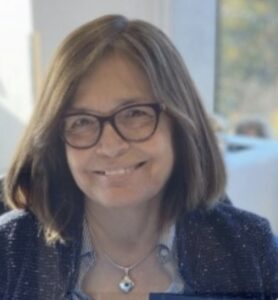
Dr. Maria Krol
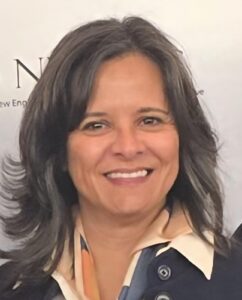
Dr. Maryann Perez-Brescia
Some of the key takeaways from their presentation were related to community engagement, techniques for engaging students, being flexible, and longer-term impacts of the funded projects. The purpose of the National Association of Hispanic Nurses is to improve the health of the community focusing on education in health literacy and future nursing professionals. By exposing students to careers in the nursing profession earlier, children can see themselves in those roles and understand the different skills they will need to be successful.
Health Literacy
CT NAHN had a funded project in 2020 aimed at health literacy in adolescents. Originally the program would have been in-person at high schools, but COVID shutdowns required a pivot to a fully online project. They engaged with HOSA programs (a leadership program in schools for students in health science education, biomedical science programs, or have interests in pursuing careers in health professions). Members of the Connecticut Chapter National Association of Hispanic Nurses created and delivered a one-hour virtual workshop to introduce participants to credible sources of online health information and provide them with methods to evaluate websites for reliability. During the sessions, they were able to apply what they were learning in real time, using their phone to search for information. Providing 18 online workshops, some in Spanish, they reached nearly 200 adolescents. Focus was helping students learn how to make use of health information in their own health decisions but also found that adolescents felt able to support family and friends in locating reliable health information.
Workforce Development
The DIVE-IN project (Developing Inclusive Voices and Experiences In Nursing) worked with 5th graders in a multilingual school to introduce students to careers in nursing to address nursing shortage. In each of 5 sessions, students met a nurse from a specific area of nursing: Emergency, Operating Rooms, Pediatrics, Geriatrics, and Community and Public Health. Each module had a guest speaker, a nurse from that field, who shared their day. Each session included developmentally appropriate, hands-on, educational activities related to those topics, relating all these activities to things they were learning in class, demonstrating the practical importance of science and math.
Mentorship
Success and resilience were the focus of MMARS. Dr. Krol designed a train-the-trainer model at SCSU in partnership with CT NAHN in which college students learned how to teach others about health literacy. The students learned the importance of having reliable health information and then went to campus groups to teach about health literacy. Those students then became both mentors and mentees as they supported a summer program for high school students. Paying it forward, the college students supported high school students to identify a topic, research and develop a presentation. The high school students created presentations which they shared with friends and families. The college students supported the high school students and were also able to interact with CT NAHN nurses to develop mentoring relationships for themselves. The work has continued for 5 years without funding as students return to support the next group.
Working with students
Some of the concepts Drs. Krol and Perez-Brescia shared were the importance of making the learning opportunities relatable, regardless of the audience. By finding something the audience is considering in their daily life, they were able to apply the concepts and see how the math or science or health literacy principles matter. By demonstrating the practical uses for math and science, students were motivated to build those skills from a young age, preparing them for the nursing profession. For the middle school students, the DIVE-IN project was able to relate everything to math and science and engage with teachers as well.
Hands-on, developmentally appropriate activities were involved with all the projects but were especially noticeable with the middle school students. For example, when the OR nurses spoke about their daily activities, they taught the students how to put on sterile gloves and sterile gowns, then students played the game of Operation. Other presentations used mannequins to go over stop the bleed and for pediatrics they weighed and measured baby dolls. For adolescents, using their phones to search for health information made sense. Leveraging the digital skills and interests of students supported using online resources for teaching health literacy.
“What is happening in their life in that moment that you can connect to and take what you are trying to educate and make it relatable.”
Developing confidence and competence with health information and making health decisions, the students could learn for themselves and share with family and friends.
Challenges and flexibility
COVID presented a challenge in meeting with students in person, but the team was able to pivot to a fully online program.
Funding period for DIVE-IN was delayed that year. The team had planned to facilitate the project in summer camps. Due to the delay, they worked with schools to bring in programming to an afterschool program and then as a push-in program during the school day to public middle school.
Listening to the Community
By considering the needs and goals of each group, “the ask”, members of CT NAHN has been able to adjust the presentations to match the group and were flexible with timing for presentations to best support the audience. Letting the group define the purpose and what they are hoping for in a presentation helped in building trust. In the discussion of long-term partnerships, the value of continuous communication and impact was explored. They found that people are willing to collaborate and eager to hear when there is someone from the community who wants to bring information and help their community.
“Communities know what they need and what they want…Always making sure with community collaborations to understand that we’re there to meet their needs and we’re there to hear what it is that they want and to empower them. And it’s a collaboration…Listening first and then developing.”
Impacts
For the high school and college students who took part in the health literacy programs, they developed more confidence and competence in participating in their health. Other impacts of the Health Literacy with Adolescents project were several conference presentations which led to others replicating the program. They have also been able to adjust the lessons they designed for different audiences such as community centers. They have been invited by other groups in the community to present on their work.
In addition to conference presentation about the DIVE-IN program with fifth graders in Bridgeport, Connecticut, they were also asked to develop a modified presentation for second grade students. For this session, they brought dolls and the children measured and weighed the babies, linking math to these experiences in the real world. Southern Connecticut State University has also partnered with New Haven Public Schools to introduce 8th grade students to careers in nursing and preparing for college.
The college students in the Mentorship Project continue to pay it forward as they come back to support the high school students in the summer program each year.
NNLM funding allowed pilot programs, but the work has continued for years beyond, bringing the programming and lessons learned to other school systems and settings. Building partnerships where they are welcomed back. Conference presentations and invitations to meet with various regional collaboratives have provided opportunities for others to learn about their work and pilot their own programs. Through educating community partners about health literacy, they were able to educate more community members who could bring back the knowledge and skills to their own organizations and clients.
You can view the recording on the NNLM YouTube channel.
 ABOUT benniefinch
Email author
View all posts by benniefinch
ABOUT benniefinch
Email author
View all posts by benniefinch
 Visit us on Facebook