Member Spotlight: Malana Krongelb from Boston Public Library
Posted by benniefinch on August 27th, 2026
Posted in: Blog, Member Spotlight
Tags: MedlinePlus, Member Spotlight, public libraries
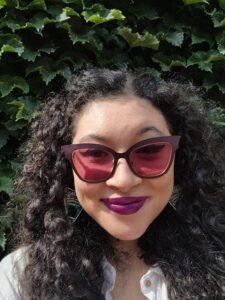 As a child, what did you want to be when you grew up?
When I was about three, my dad asked me the same question. I said, “A bigger kid!” For a while, that meant wanting to become a baseball reporter. While that didn’t happen, I succeeded in the bigger kid department. I dance randomly, play lots of video games, and get super excited when I see a mushroom in the wild. We even now have a “pun jar” in the office because of how many I make.
Could you tell us about your position/institution?
I am a reference librarian in the Research Services Department at the Boston Public Library. Among other things, we answer the majority of reference questions that come into the library, manage our 20 million item research collection (including a significant amount of current and historical health literature), and work to make research more accessible to the public. While we focus on serving Massachusetts residents, people from across the world ask us questions and use our holdings. We all have subjects that we oversee, and health and medicine are in my domain.
What about your work do you most want to share with the NNLM community?
We recently subscribed to Examine+, a database that helps patrons navigate evidence for non-pharmaceutical health interventions, as part of our health and medicine collection. The topics covered in Examine+ are some of the ones most flooded with health misinformation from AI, TikTok, and other unreliable sources. This database provides accurate, peer-reviewed content on those topics for both general and specialist users. Anyone who lives or pays taxes in Massachusetts (including students) can get a BPL library card to use our online resources. Tell your Massachusetts friends! If you’re not from Massachusetts but are interested, I recommend browsing their tutorials to learn more.
What special projects are you working on?
In addition to spreading the word about Examine+ (seriously, check it out), I have been engaged in a long-overdue health collection refresh project that—fingers crossed—will help guide health collection management across the BPL system. It’s a never-ending process, but it’s worth it. I’ve also been building out a consumer health information LibGuide in Spanish. Stay tuned!
While not explicitly health focused, I established our reference by mail program where we answer questions from incarcerated people across New England. Since we formally started about a year ago, we have had several health-related questions. These ranged from safety thresholds for fluoridated water to research studies on barbershops’ effects on community mental health (both of which I used NLM resources to answer). Prisons are information deserts, and it is vital that we can provide high-quality information to people who are most in need of it.
What is your favorite NLM resource?
If it were socially acceptable to fangirl over MedlinePlus, I would do it even more than I already do.
How does the NNLM help you do your work?
The Consumer Health Information Specialization was absolutely instrumental in me becoming a better librarian. Like many people, I fell into health librarianship without specialized training ahead of time. CHIS has made me more knowledgeable and confident in serving the health information needs of my community.
What is one word that you would use to describe the NNLM?
Health information as a human right. Okay, maybe that’s not one word, but who’s counting?
Many thanks to Malana for your engagement over the past few years and for sharing this guest post with us!
 ABOUT benniefinch
Email author
View all posts by benniefinch
ABOUT benniefinch
Email author
View all posts by benniefinch
 Visit us on Facebook