Extreme Heat: Emergency Preparedness and Recovery
Posted by Carolyn Martin on April 16th, 2026
Posted in: Emergency Preparedness
Tags: disaster preparedness, emergency preparedness, environmental health
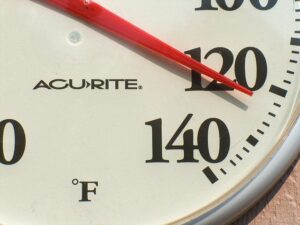 Temperatures have been rising with 2025 listed as the third warmest globally. The ten warmest years have been since 2015. Temperatures are expected to continue to rise while the number of extreme heat days are also expected to occur more often.
Extreme heat can impact health and it is especially dangerous for those already affected by pre-existing health conditions.
Heat related illnesses include:
- Heat rash
- Heat exhaustion
- Heat stroke
Existing medical conditions are worsened by heat such as:
- Cardiovascular diseases such as hypertension
- Respiratory diseases such as asthma
- Neurological disorders such as multiple sclerosis
- Mental health conditions such as anxiety
Considering the impact of heat on health, it is important to keep your community connected to vital information.
Resources
Heat.gov includes several resources and guides to help prepare for extreme heat. From creating a personal heat safety plan to checklists for your home, these resources cover everything from emergency kit essentials to tips for cooling your living space.
NOAA (National Oceanic and Atmospheric Administration) has created a space with tabs or use the side menu to view quick information on topics such as heat safety, what to do during a heat wave, games and activities for kids, and more.
CDC has several web pages focusing on heat but “Protect Yourself From the Dangers of Extreme Heat” includes information on various aspects of heat for the public. There’s also their Heat & Health Tracker to explore your community’s heat exposure, related health outcomes, and assets that can protect people during heat events.
American Red Cross has information on how to prepare before extreme heat, experiencing extreme heat, and after. Also included is information for specific populations and needs such as people who have chronic health conditions, who are using drugs or alcohol, people who are pregnant, people with disabilities, etc.
Ready.gov provides information in multiple languages focusing on how to prepare for heat and heat related illnesses.
State Resources
Included here are some state specific resources but know that each state has multiple resources not listed here that are often county or city specific.
Heat Ready CA
This is one of the nation’s first statewide multi-ethnic awareness and education campaigns designed to keep Californians safer during extreme heat. You’ll find an array of information including a toolkit with suggested messaging, tips to stay cool for a various populations, and information in multiple languages. Information may be relevant to those who live in other states.
Hawaii Department of Health
Searching the website will provide some information in downloadable and printable information that can be shared with individuals and a larger community.
Nevada Office of Emergency Management / Homeland Security
You’ll find tips to stay cooler, how to recognize heat related illnesses and what to do, and links to additional resources.
Oregon Health Authority
Extreme heat information here includes fact sheets in multiple languages, specific information for people who work outdoors, children, people who are pregnant, low income, and more. It also includes a couple charts of what to do for heat related symptoms.
Disability Rights Orgon includes tips for how you can stay safe and healthy, a list of cooling centers across the state, and information about the health risks of extreme heat.
Washington State Department of Health
The state includes links to a variety of resources such as basic information about heat, locating cooling centers, and health related information. The health department also provides additional tips for keeping cooler on their Hot Weather Precautions web page.
The University of Washington’s Pacific Northwest Agricultural Safety and Health Center University of Washington Heat Wellness Toolkit with downloadable information posters.
Additional Extreme Heat Information
A host of reports and research are available from several organizations and associations. Here are just a few that health professionals may appreciate for more in-depth information such as:
Previous Emergency Preparedness and Recovery Posts
This is the last of the NNLM Region 5 Emergency Preparedness and Recovery Series. Please refer to previous posts that we began in September 2025.
 ABOUT Carolyn Martin
Carolyn Martin is the Outreach and Education Coordinator for the NNLM Region 5. She works with various libraries and community organizations to increase health literacy in their communities.
Email author
View all posts by Carolyn Martin
 Visit us on Facebook